




Timeline and Phases of a Kitchen Remodel in Detroit
If you are planning a kitchen remodel, one of the first questions is usually, “How long is this going to take?” The answer depends on the size of the project, but most full kitchen remodels in Southeast Michigan take about 3 to 8 weeks once construction starts. A dependable kitchen remodeling service helps keep the timeline realistic, organized, and easier to plan around.
A kitchen remodel is not one long step. It moves through several phases, and each one affects the next.
How Long Does a Kitchen Remodel Take?
A simple kitchen refresh may only take a few days. That could mean new cabinet hardware, updated lighting, a painted backsplash, or minor finish changes.
A mid-range remodel with new cabinets, countertops, flooring, and backsplash usually takes around 3 to 5 weeks.
A larger renovation with layout changes, plumbing updates, electrical work, structural adjustments, and custom materials can take 6 to 8 weeks or longer.
The biggest timeline factors are permits, material lead times, inspections, and what shows up once demolition begins. Older homes in Detroit can sometimes reveal issues behind the walls that need to be handled before the project can move forward.
Phase 1: Consultation, Design, and Estimate
The remodel starts before anything is removed from the kitchen.
At Uniquely Unique Building and Remodeling, we begin with a face-to-face consultation. We talk through what you do not like about the current kitchen, how you want the new space to function, what style you have in mind, and what budget makes sense.
After that, we prepare a detailed plan and a written estimate. Materials, labor, timeline, and each phase of the project are laid out before work begins.
This step matters because it gives everyone the same expectations. You should know what is included, what it costs, and how the project will move before anyone starts tearing out cabinets.
Phase 2: Permits and Scheduling
Some kitchen remodels require permits, especially when plumbing, electrical, structural work, or layout changes are involved.
In Detroit, that may mean working through BSEED. Permit approval can take 2 to 4 weeks, depending on the scope of the project and the department’s current workload.
We handle the permit applications and inspection coordination as part of the project. Once the approvals are in place, we finalize the schedule and set the official start date.
Good scheduling helps avoid downtime between phases and keeps the project moving in the right order.
Phase 3: Demolition and Rough-In Work
Once the project starts, demolition comes first.
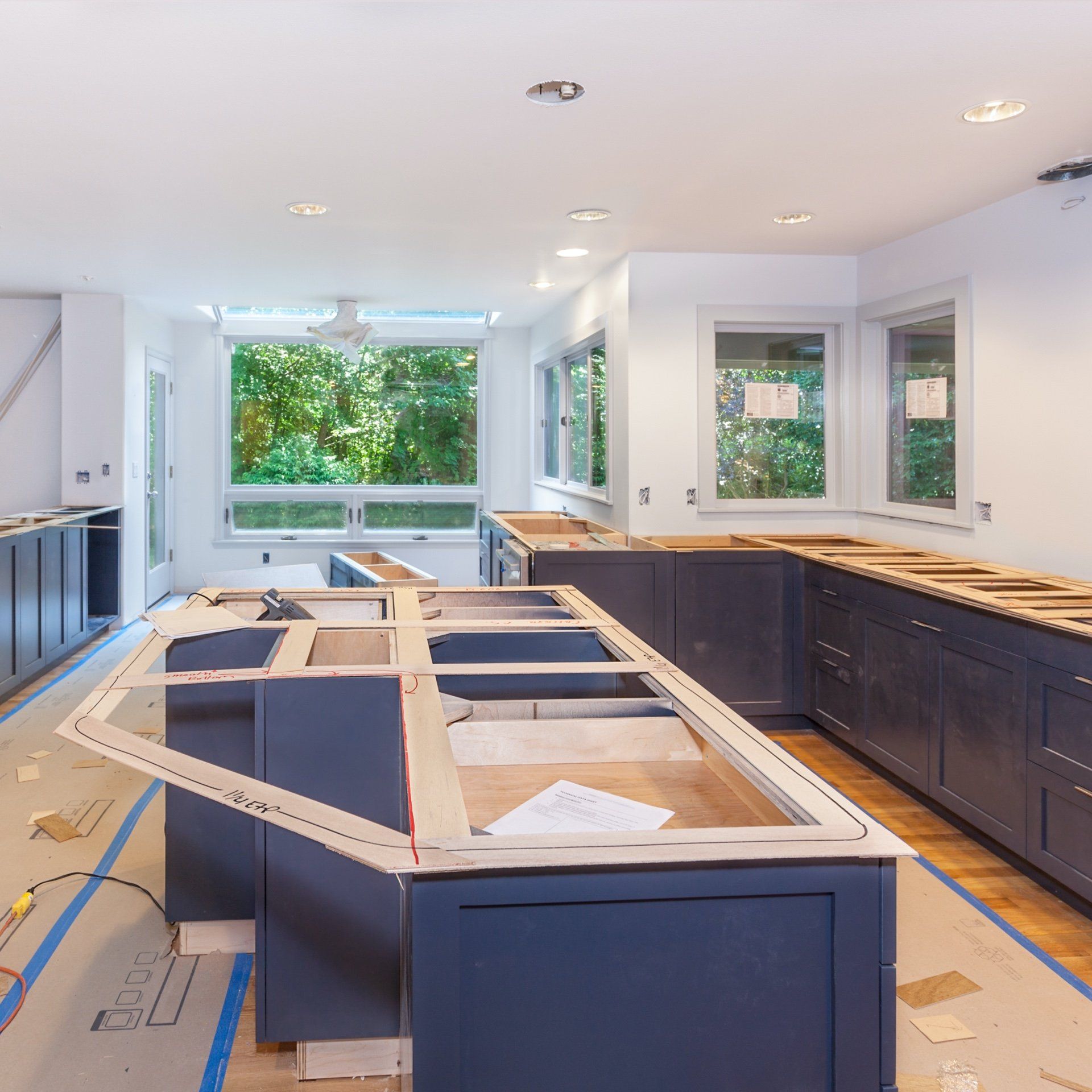
Old cabinets, countertops, flooring, backsplash, and other materials are removed. If the layout is changing, walls may be opened so plumbing, electrical, or structural work can be done.
This is also when hidden problems may appear. In older Detroit-area homes, we may find outdated wiring, aging plumbing, uneven floors, damaged subfloors, or other issues that were not visible during the consultation.
If something unexpected comes up, we document it, explain the options, and get written approval before doing additional work.
After demolition, rough-in work begins. Plumbers and electricians run the new lines according to the plan. This work is inspected before the walls are closed.
Phase 4: Installation and Finishes
After rough-in inspections are approved, the kitchen starts coming back together.
Cabinets are typically installed first. Then countertops, flooring, backsplash tile, lighting, fixtures, trim, and appliances follow.
This is the stage where the space starts to feel like a kitchen again. It is also where the details matter most. Cabinet alignment, tile spacing, countertop seams, flooring transitions, and fixture placement all affect the final result.
We check the work throughout this phase, so small issues are handled before they become bigger ones.
Phase 5: Final Inspection and Walkthrough
When the work is finished, we complete a full post-renovation inspection.
We review the original scope and check the finished details, including cabinets, countertops, tile, grout, flooring, fixtures, lighting, appliance connections, and finish quality.
If something needs attention, it is handled before final sign-off. Final payment is not collected until the project passes the post-renovation inspection.
That gives homeowners confidence that the job was completed according to the plan.
What Can Delay a Kitchen Remodel?
Some delays are avoidable. Others come from conditions that are not visible until work begins.
In older Southeast Michigan homes, plumbing and electrical updates are common once the kitchen is opened up.
Homes built before 1960 may have galvanized water lines, cast iron drains, outdated wiring, undersized panels, or subfloor damage.
Material delays can also affect the schedule, especially with custom cabinets, specialty countertops, or backordered fixtures.
The best way to manage these risks is to plan for them early. With more than 25 years of experience in Southeast Michigan, our team knows what to look for and how to build a realistic timeline from the start.
Plan Before the First Wall Comes Down
A kitchen remodel goes much more smoothly when the plan is clear before construction begins.
Design, estimates, permits, demolition, rough-in work, installation, inspections, and final walkthrough all need to happen in the right order.
At Uniquely Unique Building And Remodeling, we help homeowners across Detroit and Southeast Michigan plan kitchen renovations with clear communication, written estimates, and a step-by-step process from start to finish.
Related Topics: