


Questions to Ask About Timeline, Budget, and Scope Before Signing a Contract in Detroit
Signing a renovation contract without the right information is how projects go sideways. Before any work starts, there are specific questions every Downriver homeowner should ask a reliable general contractor in Detroit, MI, about the timeline, budget, and scope. The answers tell you a lot about whether this contractor is the right fit.
Call us at (734) 626-3067 or visit uniquelyuniqueconstruction.com to schedule a free consultation before you commit to anything.
What Should a Written Estimate Include?
A written estimate should spell out the full scope of work, all materials to be used (brand, grade, or type where relevant), labor costs, start and end dates, payment schedule, and anything explicitly not included in the price. If the estimate covers only a broad total number with no line-item breakdown, ask for the details before you sign.
Verbal quotes are not enough. A written estimate is the document that protects you if the cost or scope is disputed after work starts.
Here at Uniquely Unique, we provide a detailed written estimate covering the full scope and cost on every project. Nothing starts until you have reviewed and approved it.
How Do I Know If a Project Timeline Is Realistic?
Ask the contractor to walk you through the project phase by phase and explain what is driving the timeline. A realistic schedule accounts for permit processing, material lead times, and how many active projects the contractor is running at the same time.
If a contractor gives you a timeline without being able to explain what is behind it, that is a sign it is not grounded in anything concrete. A thorough contractor can tell you when rough-in work happens, when inspections are scheduled, and when you can expect to have your space back.
We set every project timeline during the planning phase and confirm it in writing before work begins. You know the schedule before we pick up a single tool.
What Happens If the Project Goes Over Budget?
Ask the contractor directly: what would cause this project to cost more than the estimate, and how would that situation be handled? The answer should describe a clear change order process.
A change order is a written document that describes any addition or change to the original scope, along with the updated cost. Both parties sign it before any additional work is done. If a contractor cannot explain their change order process clearly, that is a red flag.
We do not move forward with any scope or cost change without a written change order approved by you first.
What Does "Scope" Mean in a Renovation Contract?
Scope is the full description of what will be done, by whom, using what materials, and within what timeframe. It is not a general description of the project. It is the detailed plan.
A strong scope statement in a
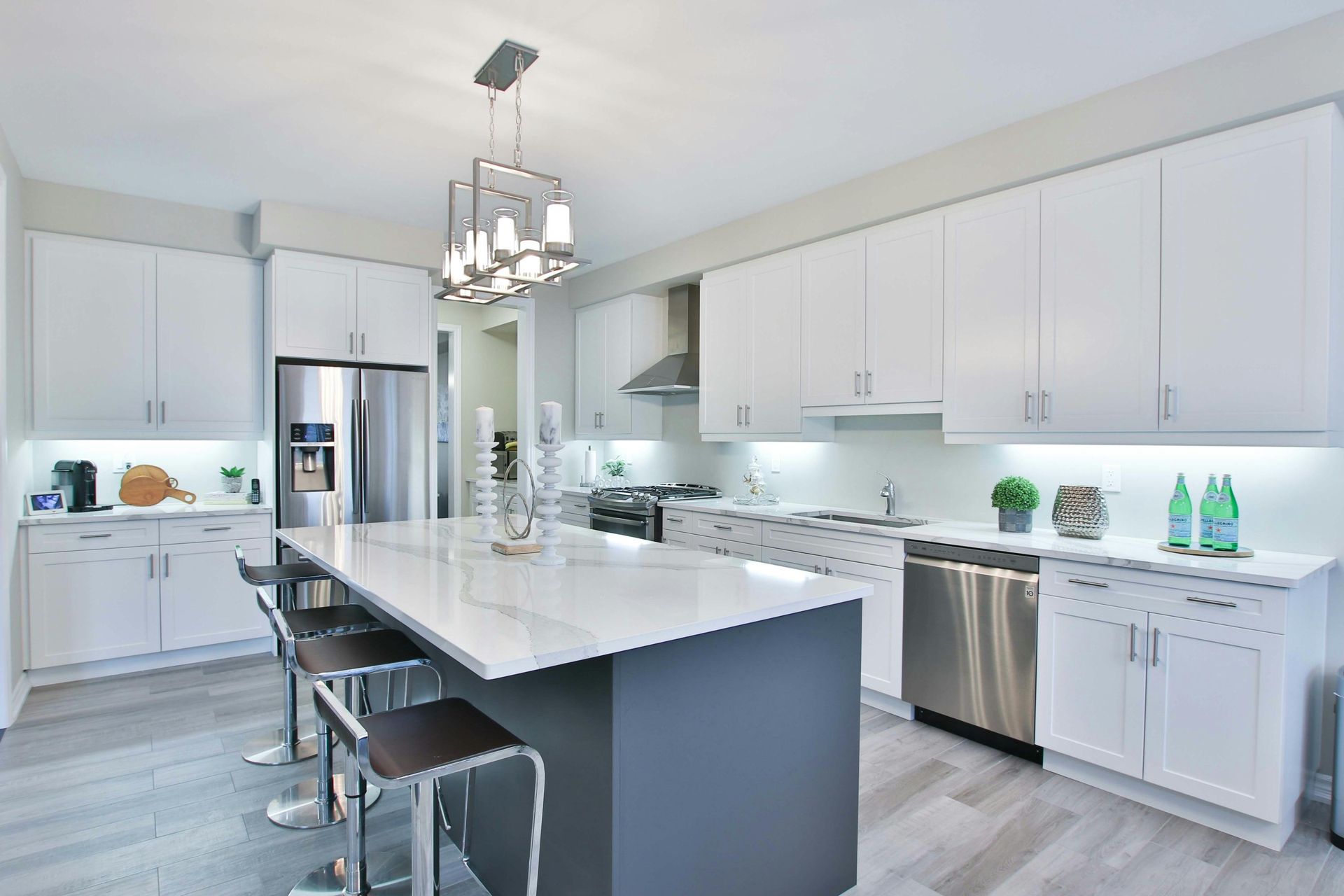
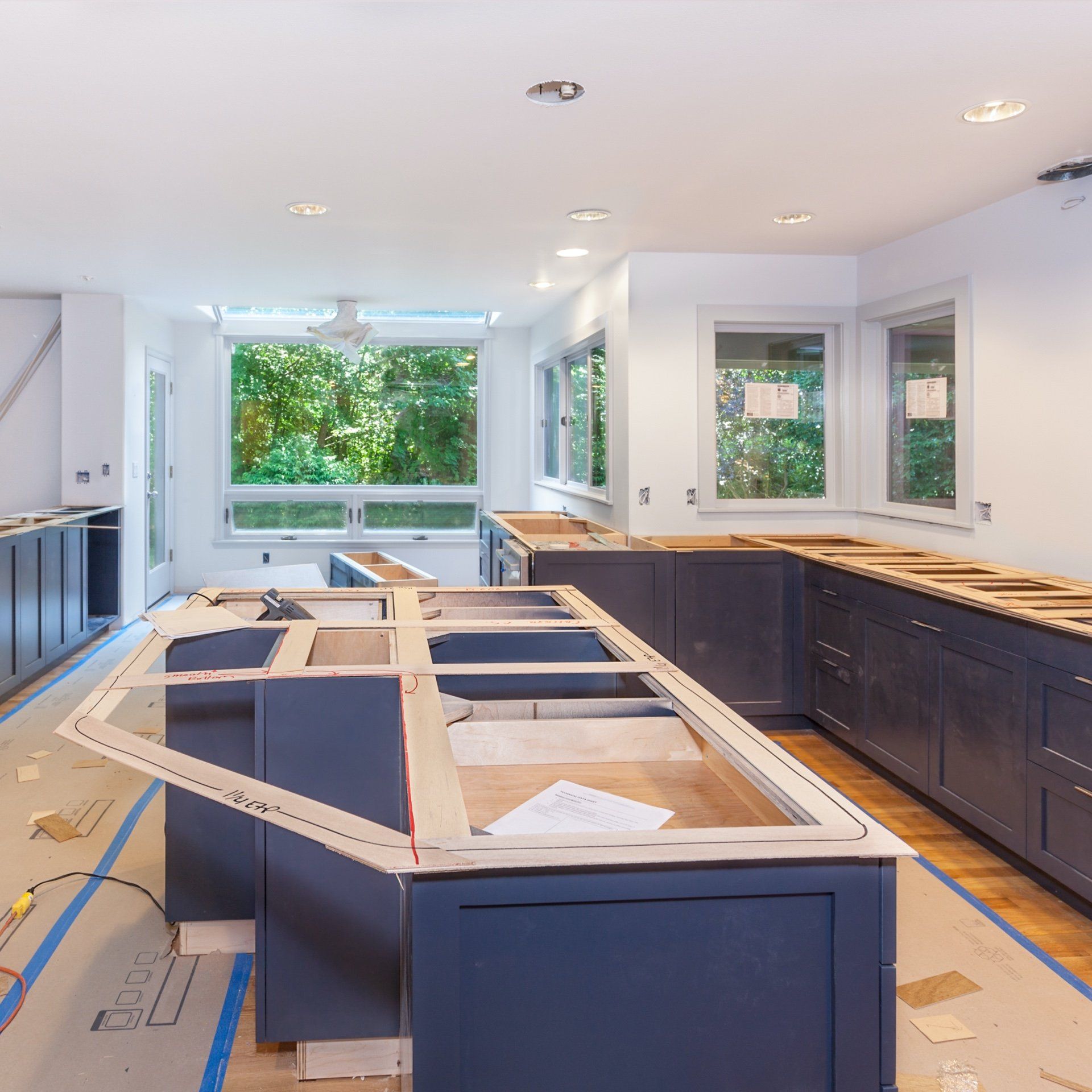
kitchen remodel names the cabinet brand and style, the countertop material and edge profile, the flooring type, and whether plumbing or electrical work is included. The scope is what separates a clear contract from a vague agreement.
Can the Scope Change After I Sign the Contract?
It can, but it should only happen through a signed change order. If you decide mid-project to add a backsplash or upgrade your countertops, that is a legitimate scope change. It should be documented in writing, with an updated cost agreed to before the work proceeds.
The same applies if the contractor discovers something unexpected, like a moisture issue behind a wall. Before proceeding with any work beyond the original scope, the contractor should stop, show you the issue, explain the options, and get written approval.
We handle scope changes through written change orders on every project, no exceptions.
What Should I Ask About Permits Before Signing?
Ask whether your project requires permits and, if so, who pulls them. Your contractor should pull the permits. If a contractor suggests you pull your own permits to save time or money, that is a significant warning sign and shifts liability to you.
Permitted work is inspected by the municipality and verified against the code. Unpermitted work can create serious problems when you sell the home or file an insurance claim. We handle the permit process as part of the project for all work that requires it.
How Much of a Deposit Should I Expect to Pay?
A standard deposit for residential renovation work runs between 10 and 30 percent of the total project cost. Deposits that exceed 50 percent of the project total before any materials have been ordered or work has started are a red flag.
Ask your contractor how the deposit is applied, when subsequent payments are due, and what triggers the final payment. The final payment should come only after a post-renovation inspection confirms the work is complete and matches the agreed scope.
What Should I Ask About the Post-Project Inspection?
Ask whether the contractor does a formal walkthrough with you at the end of the project before final payment is made. This inspection is how both parties confirm that the work matches the original scope.
During this walkthrough, go through every item in the written estimate and confirm it was completed as agreed. If something is not right, it gets addressed before the job closes.
The post-renovation inspection is a standard part of every project we take on. Final payment comes only after you have walked through the completed work and confirmed everything is done to scope.
Ready to Start Your Home Transformation?
Whether you're planning a kitchen upgrade, a bathroom remodel, or a complete home renovation, including outdoor renovations in Detroit, MI, working with the right team makes all the difference. At Uniquely Unique Building and Remodeling LLC, every project is built around your vision, budget, and timeline so you get results that truly feel like home.
From initial consultation to final walkthrough, their experienced team handles every detail with precision and care.
Let’s bring your ideas to life.
Reach out today to discuss your project with a
basement remodeler and take the first step toward a space designed just for you.
Call now:
(734) 626-3067
Or request a consultation through their
website
Related Topics: